
Why Left Lane Is Not for Slow Drivers

I recenThe Left Lane Is for Passing, Not Parking

I recently read a post from a frustrated driver complaining about someone tailgating them on the highway while they were driving in the left lane. It’s a common scenario—one driver feeling rushed and another feeling entitled to the lane. It’s also an unnecessary source of road rage that can quickly escalate into dangerous territory.

Let’s get something straight: the left lane is not the fast lane—it’s the passing lane. There’s a critical difference. The left lane exists for overtaking slower traffic, not for camping out indefinitely. Yet, too often, I see drivers jump straight into the left lane as if it’s their personal expressway, moving at their own pace and ignoring the flow of traffic. Whether it’s because they think they’re the best drivers on the road or simply believe they have the right to cruise there, they’re missing the point.

The rule is simple: Move over to pass, then return to the right. Sticking to this philosophy not only keeps traffic flowing but also minimizes frustration and reduces the likelihood of aggressive driving behavior like tailgating.

Now, tailgating itself is another issue—no one likes a driver riding their bumper, and it’s a reckless way to express impatience. But much of this frustration could be avoided if we all respected the basic principle of highway driving: Keep right except to pass.

It’s not about ego, and it’s not about who’s in more of a hurry. It’s about efficiency, safety, and respect for the rules of the road. If more drivers adopted this mindset, our highways would be far less stressful—and much safer—for everyone.

So, next time you find yourself in the left lane, ask yourself: Am I passing, or am I just holding up traffic? If it’s the latter, do everyone a favor—move over and let the road breathe.

# Just Be Better

#Stay Healthy, Stay Strong

#IOwnTheMorning

#WWKDD
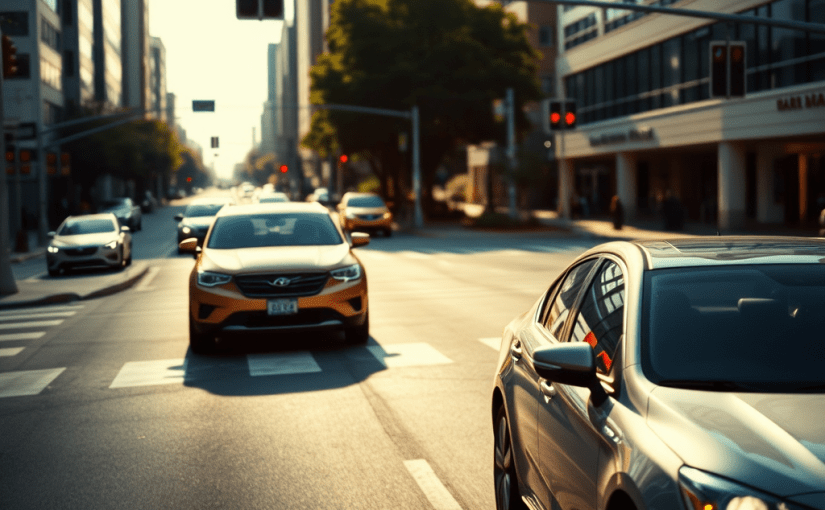
Letting People In: The Dangers of Stopping to “Be Nice”


I’ve touched on this topic before in “Don’t Be Nice: Driving #3,” but it’s important enough to revisit. Too many drivers make the mistake of trying to help others by letting them into traffic—but in doing so, they often create more problems than they solve. Stopping to allow someone to merge can cause accidents, disrupt the flow of traffic, and make the roads more dangerous for everyone.

Why Stopping to Let Someone In Can Be Dangerous

The most common reason people stop to let someone into traffic is simply to be polite or helpful. However, this gesture can lead to severe consequences. When you stop to let another vehicle merge into the traffic flow, you disrupt the momentum of the cars behind you. This creates a chain reaction where drivers are forced to either slow down suddenly or make evasive maneuvers. This is a major cause of rear-end collisions—one of the most frequent types of accidents on the road.

What You Don’t See: The Danger Behind You

It’s crucial to remember that when you’re on the road, you’re responsible for what’s in front of you and what’s happening behind you. When you stop to let someone merge, you’re not only putting yourself at risk but also endangering the drivers behind you who expect the flow of traffic to remain constant. In many cases, those drivers may not have time to react, which could result in a crash.

I’ve spoken with numerous police officers about this behavior, and they all agree: Do not stop traffic to let someone merge. It’s a misguided act of kindness that ends up causing harm. If someone is trying to get into traffic but you’re unable to safely allow them in without blocking the flow of cars behind you, it’s better to keep moving. They can merge after you pass, and no one will be put in harm’s way.

So, What Should You Do Instead?

  1. Stay in Motion: Keep your vehicle moving at a consistent speed, even if someone is trying to merge. Allowing them in could disrupt traffic and lead to accidents.
  2. Signal Your Intentions: Use your signals to indicate when you are moving over or changing lanes. If the traffic behind you allows it, others may be able to create space for the merging vehicle without you needing to stop.
  3. Let Them Merge on Their Own: If you see a car waiting to get into traffic, don’t stop to let them in. If you’re moving at the proper speed, they can safely merge in after you pass.
  4. Stay Aware of Your Surroundings: Always monitor the flow of traffic both in front of and behind you. By being aware of what’s happening around you, you can avoid making sudden decisions that could jeopardize the safety of everyone on the road.

Final Thoughts: Just Be Better

Ultimately, the key to safer driving is awareness and responsibility. It’s not about being “nice” or trying to make other drivers’ lives easier—it’s about not causing unnecessary risks for others on the road. If everyone kept traffic flow moving smoothly and safely, we would see fewer accidents and a lot less road rage.

As drivers, we owe it to ourselves, our passengers, and our fellow road users to be mindful, stay alert, and be better drivers.

Just Be Better

Stay Healthy, Stay Strong

I Own the Morning