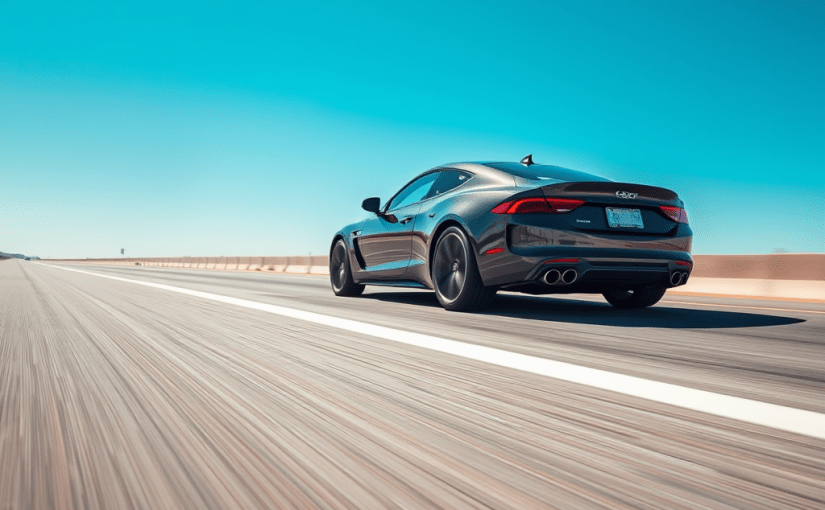
I recenThe Left Lane Is for Passing, Not Parking
I recently read a post from a frustrated driver complaining about someone tailgating them on the highway while they were driving in the left lane. It’s a common scenario—one driver feeling rushed and another feeling entitled to the lane. It’s also an unnecessary source of road rage that can quickly escalate into dangerous territory.
Let’s get something straight: the left lane is not the fast lane—it’s the passing lane. There’s a critical difference. The left lane exists for overtaking slower traffic, not for camping out indefinitely. Yet, too often, I see drivers jump straight into the left lane as if it’s their personal expressway, moving at their own pace and ignoring the flow of traffic. Whether it’s because they think they’re the best drivers on the road or simply believe they have the right to cruise there, they’re missing the point.
The rule is simple: Move over to pass, then return to the right. Sticking to this philosophy not only keeps traffic flowing but also minimizes frustration and reduces the likelihood of aggressive driving behavior like tailgating.
Now, tailgating itself is another issue—no one likes a driver riding their bumper, and it’s a reckless way to express impatience. But much of this frustration could be avoided if we all respected the basic principle of highway driving: Keep right except to pass.
It’s not about ego, and it’s not about who’s in more of a hurry. It’s about efficiency, safety, and respect for the rules of the road. If more drivers adopted this mindset, our highways would be far less stressful—and much safer—for everyone.
So, next time you find yourself in the left lane, ask yourself: Am I passing, or am I just holding up traffic? If it’s the latter, do everyone a favor—move over and let the road breathe.
# Just Be Better
#Stay Healthy, Stay Strong
#IOwnTheMorning
#WWKDD
 Everyday is an Interview